
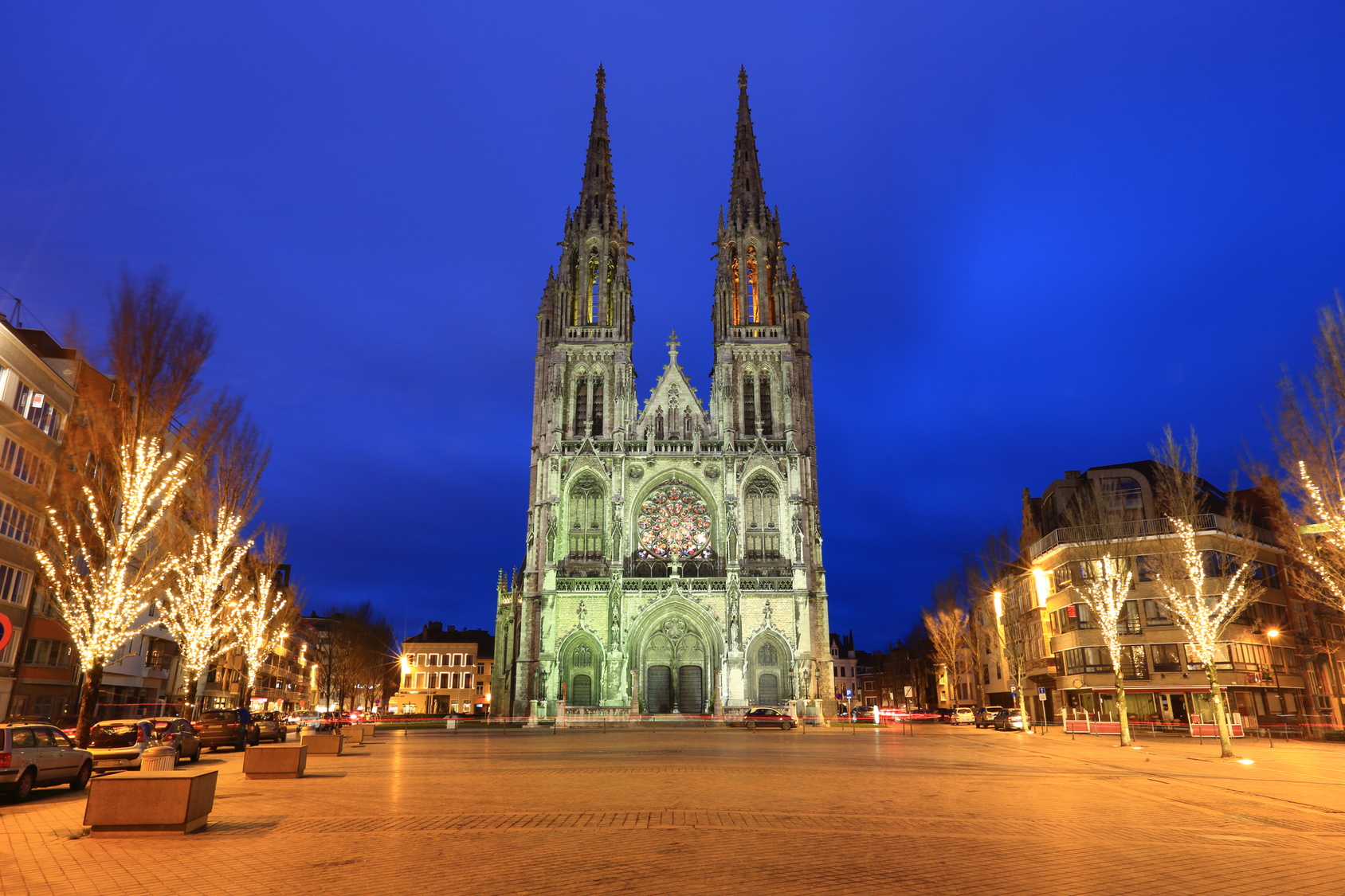
Oostende is the largest coastal city in Belgium, on the edge of the North Sea, close to Bruges and Brussels.
The combination of its location and the presence of the beach has made Oostende one of Belgium's largest tourist destinations, and the infrastructure has grown to meet this demand. This means that, as well as being an important commercial centre and a trading port for goods being shipped from all over the world, it is also packed with restaurants, nightlife, museums, galleries, a musical theatre and its own casino. In simple terms, the visitors who flock to Oostende every year, whether travelling for business or pleasure, are bound to be able to find plenty to do even if the weather drives them away from the beaches and the sweep of the promenade.
The history of Oostende is marked by two things in particular. The first of these is the wave of invasions prompted by its strategic location, and the second is the efforts the locals have had to make to prevent the city itself from being swallowed by the sea. Indeed, the original centre of what was then just a fairly small fishing village is now located some 200 metres out to sea. Flooding and coastal erosion were such a problem for the original settlers of Oostende that, by the 14th century, they’d decided enough was enough. The city centre was shifted inland and protected by a series of protective flood barriers. When it wasn’t fighting off the sea, Oostende was often trying to fend off the attentions of various invading forces, running from the Vikings and the Spanish in centuries past to periods of German occupation during both the First and Second World Wars.